KAUST CTL team wins second place at the 3rd Saudi Aramco Digital Hackathon
About
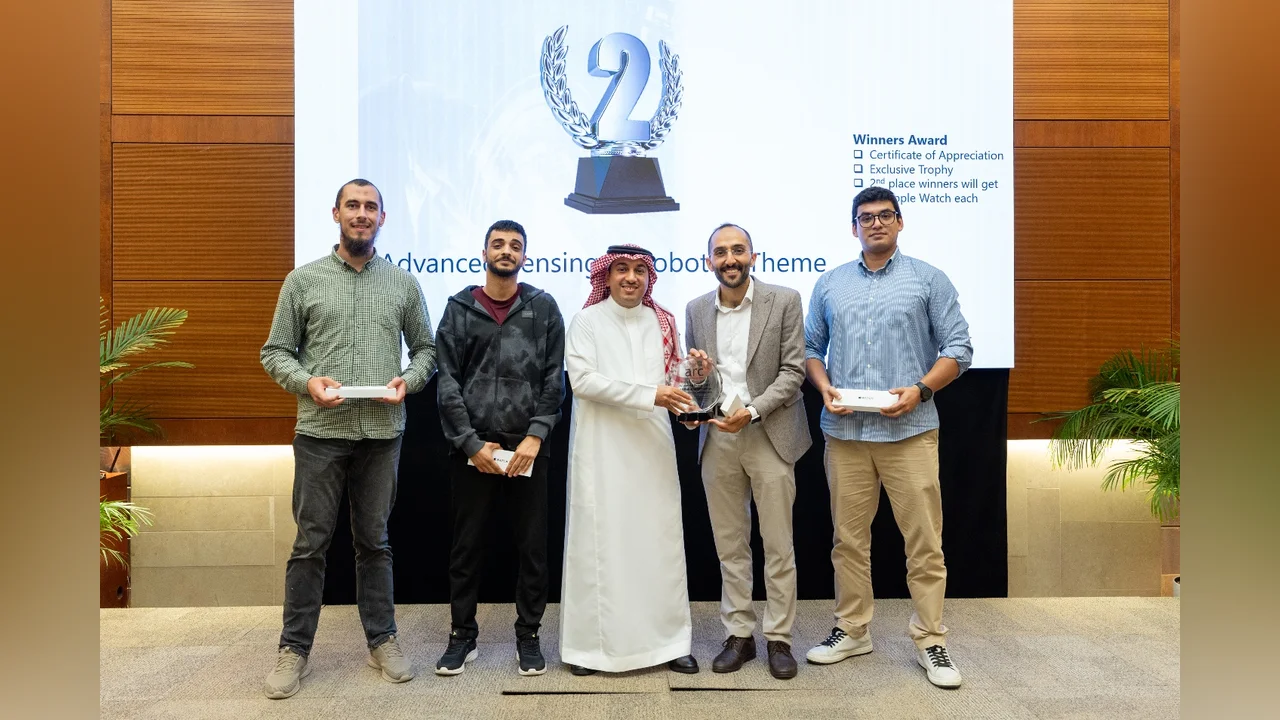
A team of PhD students from the Communication Theory Lab (CTL) at King Abdullah University of Science and Technology (KAUST) has won second place at The 3rd Saudi Aramco Digital Hackathon, held in January 2026 as part of the KAUST Winter Enrichment Program (WEP’2026).
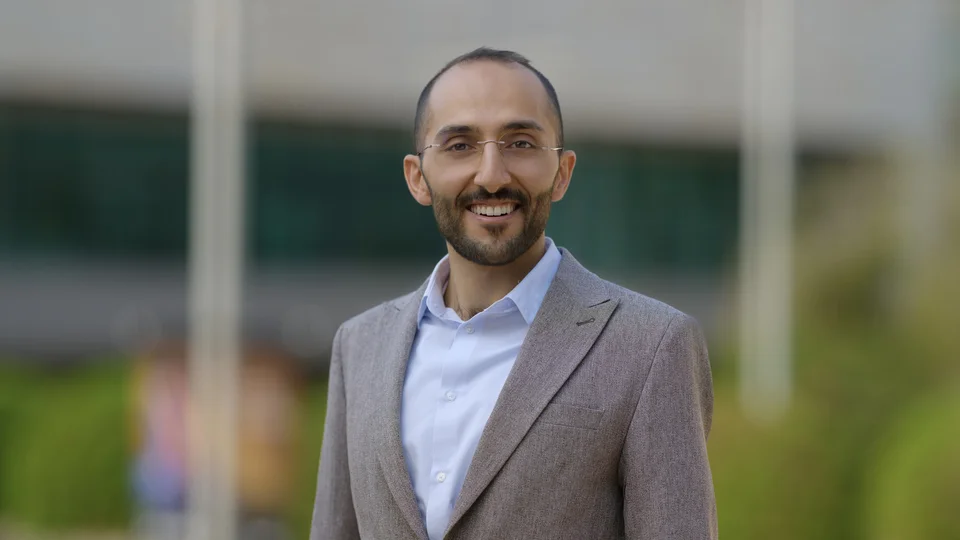
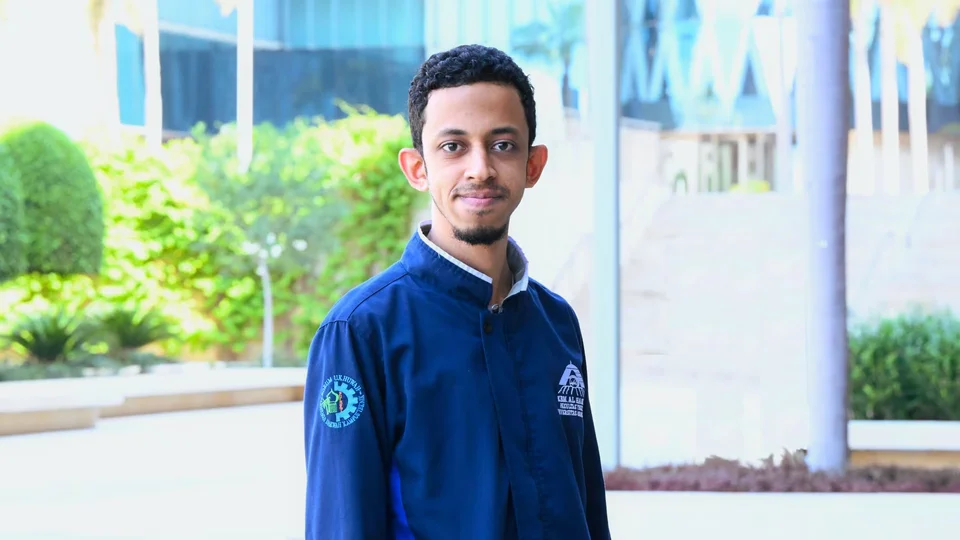
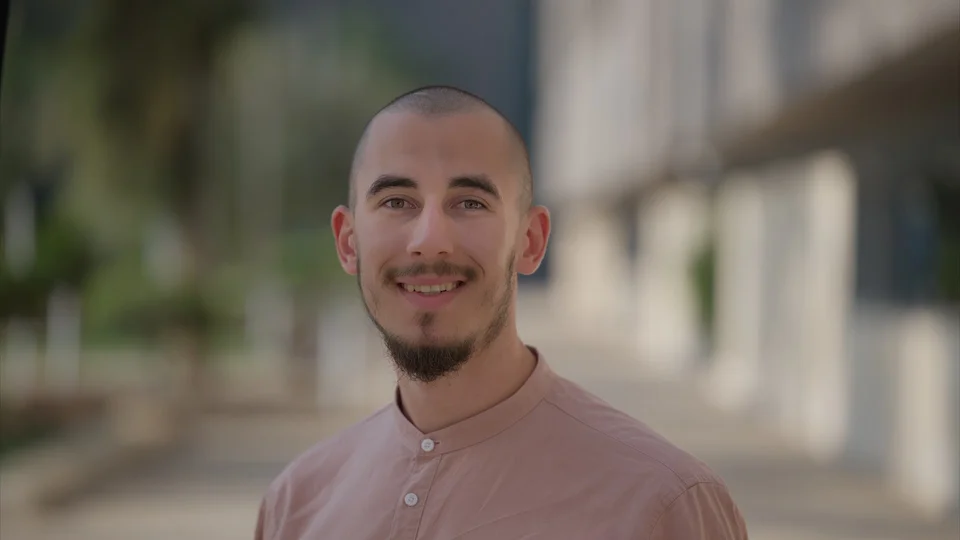
The team, consisting of Salah Abdeljabar, Hasan Albinsaid, Jose Maria Sosa Gomez, Mohamed Afouene Melki, and Karim Saifullin, competed under the Advanced Sensing, IoT, and Robotics challenge theme. The hackathon brought together graduate students, researchers, and engineers to tackle real industrial challenges proposed by Saudi Aramco, with a focus on innovation, practicality, and early validation.
The CTL team addressed the challenge of monitoring mud height during lost circulation while drilling, a critical problem in oil and gas operations. During drilling, mud is circulated through the well to maintain hydrostatic pressure and prevent gas influx. When mud is lost into fractures in the formation, operators lose visibility of the remaining mud level, increasing the risk of wellbore instability and blowouts. Existing solutions often rely on indirect measurements or acoustic signals, which struggle in the extremely noisy and complex drilling environment.
To tackle this problem, the team proposed a non-intrusive sensing approach based on physics-based modeling, advanced signal processing, and multi-sensor fusion. They developed a realistic simulation framework using industry-standard wellbore and drill pipe geometries to study how acoustic signals propagate in the annulus under noisy conditions. The simulation was extended to kilometer-scale wells using lightweight machine learning models combined with signal-processing-based channel equalization.
In parallel, the team built a scaled hardware prototype featuring a 3D-printed wellbore and a motorized drill pipe to emulate drilling conditions. Surface-mounted sensors were used to collect data under varying mud levels and noise scenarios. By fusing information from multiple sensors and applying machine learning techniques, the system was able to estimate mud level trends with centimeter-level accuracy in the prototype. A real-time dashboard was also developed to visualize sensor data and estimated mud levels for operator decision support.
The judges highlighted the project’s alignment with industrial needs, the combination of simulation and experimental validation, and the clear potential for integration with existing drilling monitoring systems. The team’s work demonstrated how sensor fusion and intelligent signal design can overcome limitations of single-sensor solutions and improve operational safety while reducing unnecessary mud usage.
The 3rd Saudi Aramco Digital Hackathon aimed to foster collaboration between KAUST and Saudi Aramco, accelerate the translation of research ideas into practical solutions, and identify opportunities for future collaboration. The success of the CTL lab team reflects KAUST’s growing role in addressing real-world challenges at the intersection of wireless sensing, and advanced signal processing.