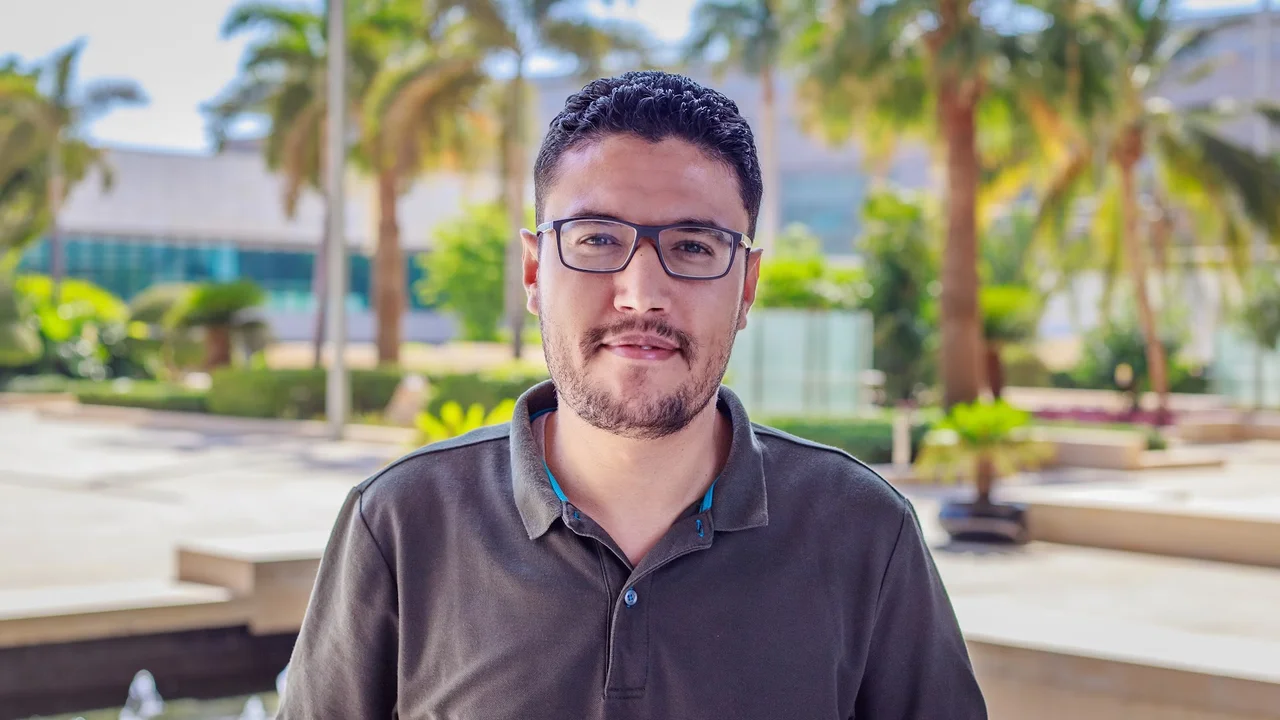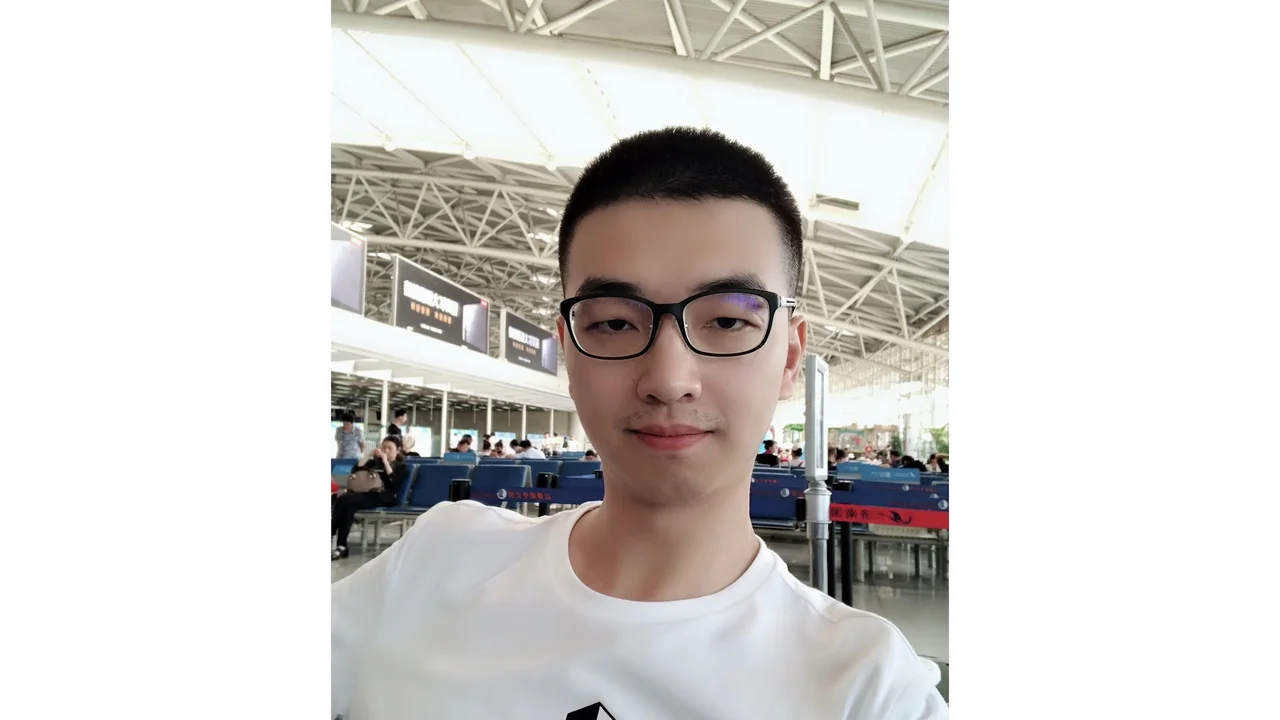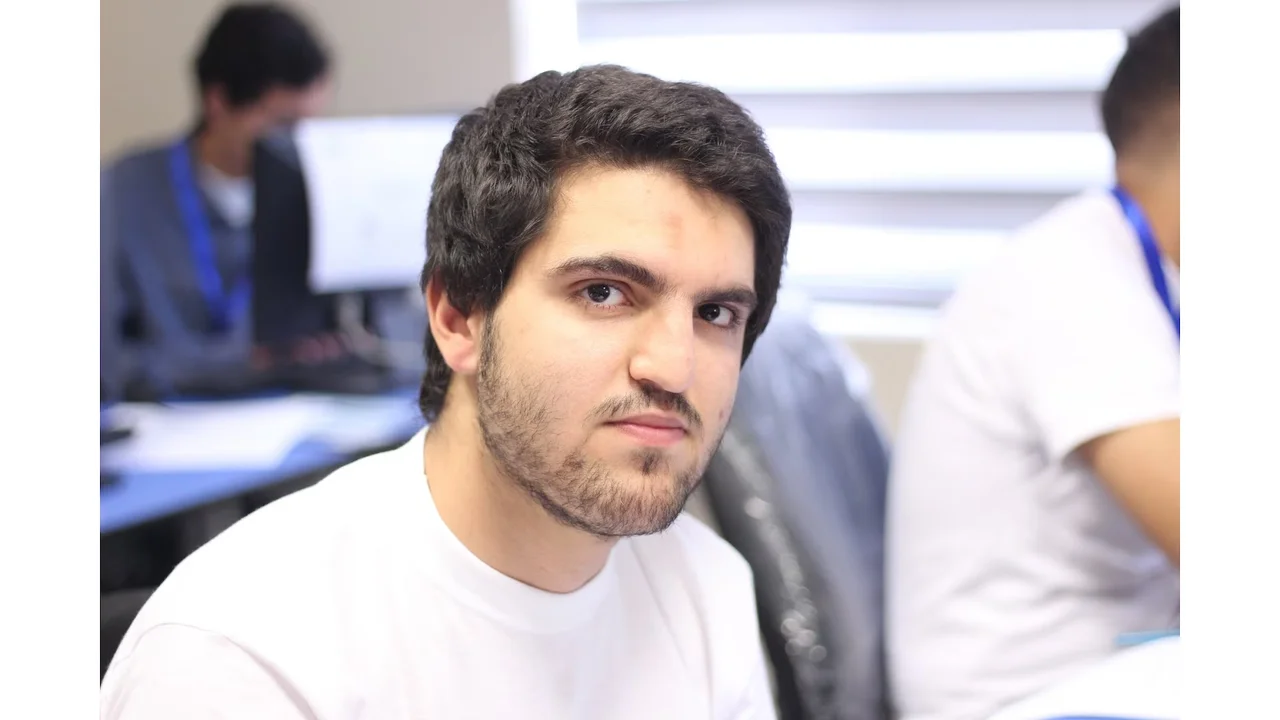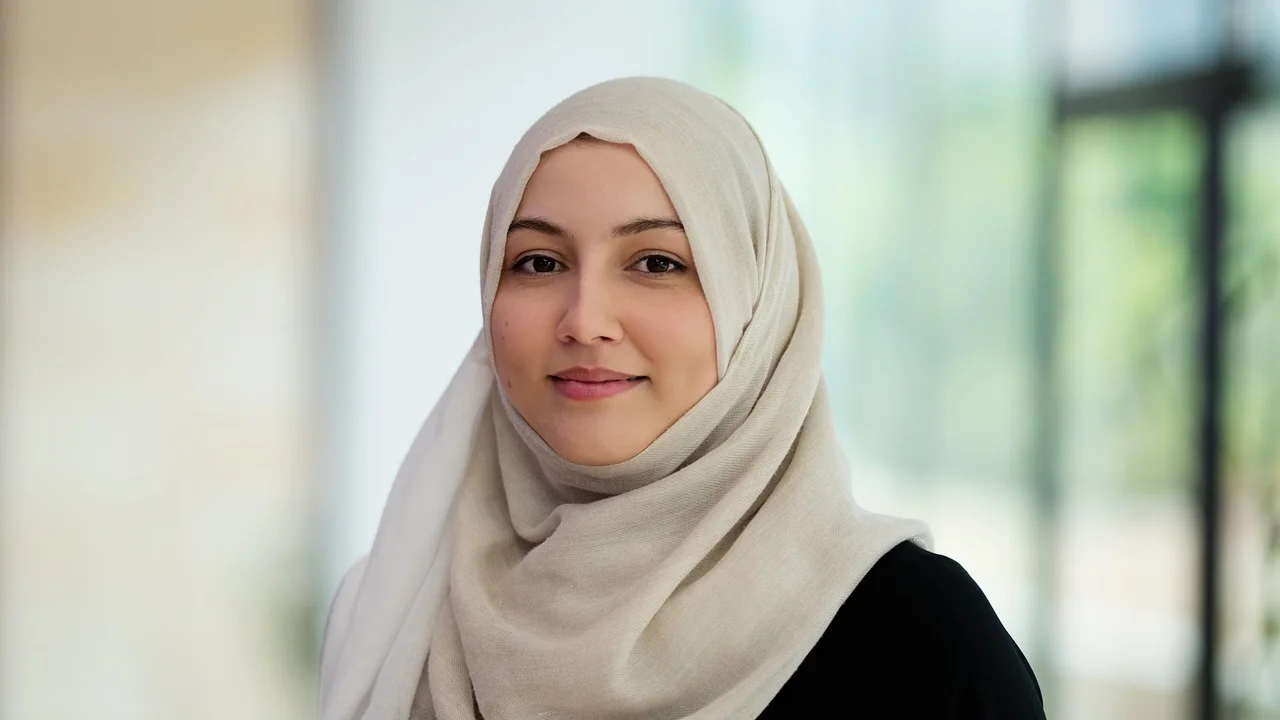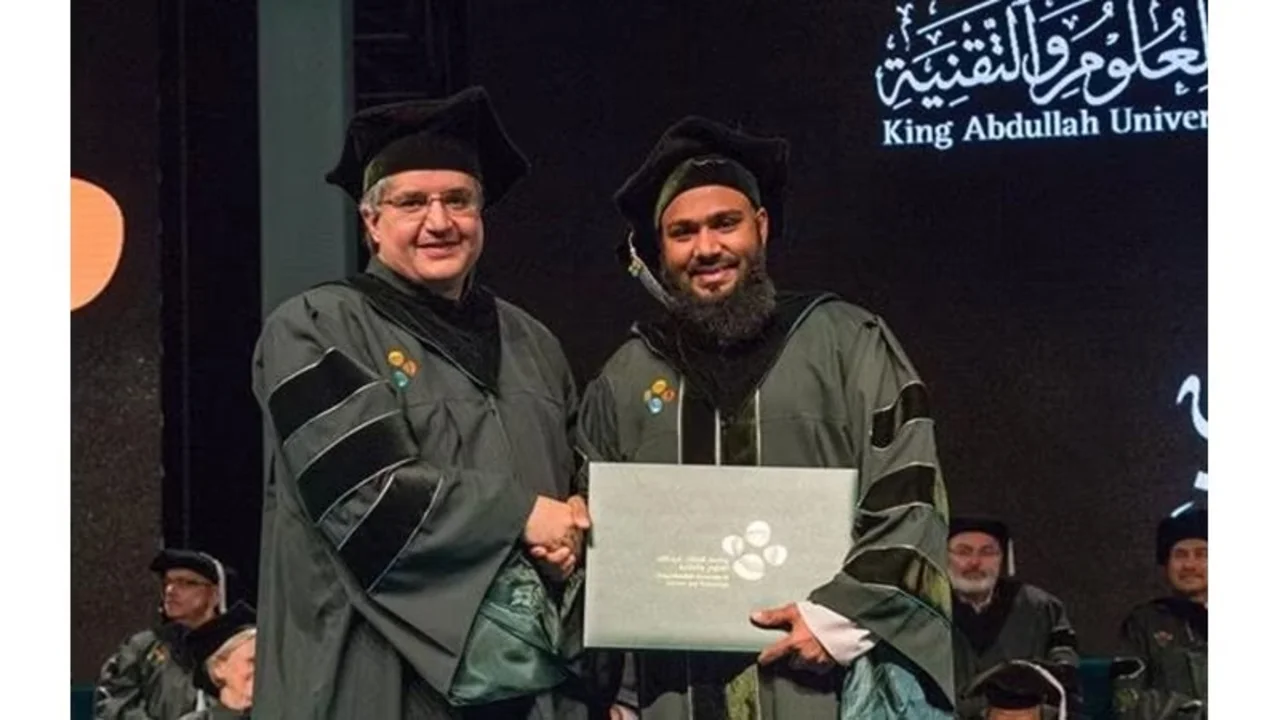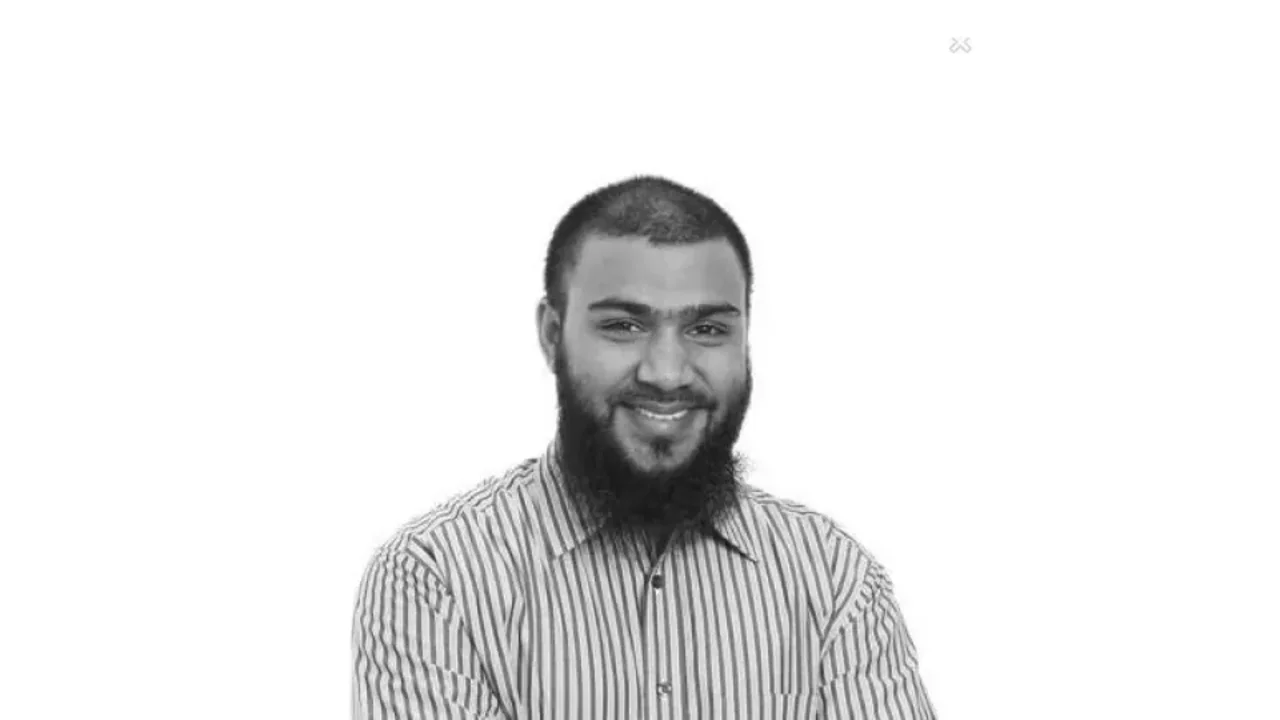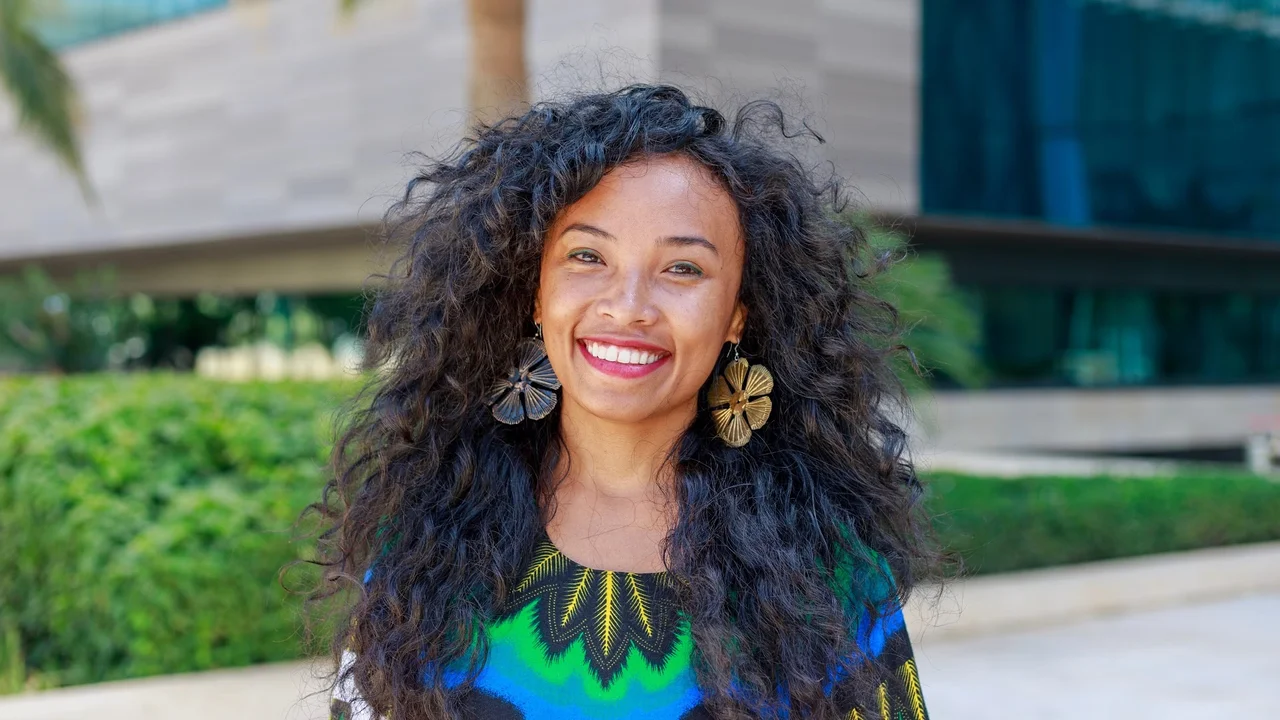
Amr I. Tammam
- Postdoctoral Research Fellow, Communication Theory Lab
Anna Talgat is currently a Ph.D. candidate in Applied Mathematics and Computational Sciences at KAUST. She earned her B.S. in Mathematics from Fatih University, Istanbul, with high honors and a full scholarship. Anna continued her studies at KAUST, completing her M.S., focusing on stochastic geometry-based analysis of LEO satellite communication systems. Her early career includes an internship at Cambridge University’s DAMTP and teaching mathematics at Galaxy International School in Kazakhstan. Additionally, she was a Graduate Teaching Assistant at KAUST, supporting academic development and enhancing teaching methodologies.
Anna Talgat's research interests primarily focus on stochastic geometry and its applications in communication systems. Specifically, her work includes the stochastic geometry-based analysis of LEO satellite communication systems, performance analysis and optimization of wireless communications, and enhancing the efficiency and reliability of these networks. Her research aims to advance the understanding and development of satellite communication networks, which are critical for various applications, including IoT (Internet of Things) and secure data transmission in space communications.
Fahad S. Alqurashi is a Ph.D. candidate in Electrical and Computer Engineering at King Abdullah University of Science and Technology (KAUST), under the supervision of Professor Mohamed-Slim Alouini. His research focuses on advanced wireless communication technologies for connecting underserved and remote regions, emphasizing cost-effective and high-capacity solutions. His work explores Free Space Optics (FSO), TV White Space (TVWS), and hybrid RF/mmWave systems to achieve point-to-point data rates exceeding 10 Gbps, with a particular interest in maritime and rural connectivity.
Fahad holds a Master of Science in Electrical Engineering from KAUST, where his thesis focused on modeling FSO communication channels for next-generation deployment scenarios. He completed his Bachelor of Science in Electrical Engineering (Electronics and Communication track) at Umm Al-Qura University in Makkah, Saudi Arabia.
Fahad has led strategic connectivity projects in collaboration with global technology leaders such as Google Taara, Meta, Cambium, and national operators like Zain and STC. He is currently spearheading national-scale initiatives with the Communication, Space and Technology Commission (CST), Red Sea Global, and Neom to deliver resilient, sustainable, and scalable wireless infrastructure—including projects connecting offshore islands and rural villages using hybrid FSO/RF links powered by solar systems.
His research has been presented at major international venues including IEEE ICC and the Optical Wireless Communication Conference, and he is an active member of IEEE and the Optical Wireless Communication community. Fahad’s interdisciplinary work supports Saudi Vision 2030 and reflects a strong commitment to impactful digital transformation through cutting-edge wireless innovation.
Alongside the Saudi Vision 2030, Fahad’s interest lies in supporting the future of 5G and 6G. Because of this, he focuses on wireless communication systems, especially in free space optical communication (FSO).
Fares Fourati is a Ph.D. candidate in Electrical and Computer Engineering at King Abdullah University of Science and Technology (KAUST). His work has been published in leading AI and machine learning venues, including ICML, AAAI, AISTATS, EMNLP, and ECAI.
He has received several distinctions, including consecutive CEMSE Dean’s List Awards, first place in the ACM-SIAM Student Competition (2024), and first place at the Marconi Society Connectivity Summit (2021). Fares earned his Diplôme d’Ingénieur from École Polytechnique de Tunisie in 2020 and an M.S. in Electrical and Computer Engineering from KAUST in 2022.
In addition to his research, he has been actively involved in teaching and mentoring in AI and machine learning at KAUST and across Saudi Arabia. He is also the author of To What End? Meditations on AI and Humanity, reflecting his broader interest in the philosophical implications of AI.
Fares' research focuses on reinforcement learning, deep learning, large language models, and optimization, with an emphasis on advancing the foundations of intelligent systems.
Hakim Ghazzai, Senior Member, IEEE, joined the CEMSE Division as a Research Scientist in 2021. Previously, he held several research scholar positions with the Qatar Mobility Innovations Center (QMIC), Qatar, Karlstad University, Sweden, and Stevens Institute of Technology, NJ, USA. Since 2019, he has been on the Editorial Board of the IEEE Communications Letters and the IEEE Open Journal of the Communications Society. Since 2020, he joined the Board of IoT and Sensor Networks (a specialty section of Frontiers in Communications and Networks) as an associate editor. He is a recipient of appreciation for being an exemplary reviewer for IEEE Wireless Communications Letters in 2016 and IEEE Communications Letters in 2017. He is the recipient of the best paper awards at the 2023 IEEE International Conference on Smart Mobility and the 2017 International Conference on Advances in Vehicular Systems, Technologies, and Applications. He is the author and co-author of more than 190 publications. His general research interests include applied artificial intelligence for smart cities, the Internet of things, Intelligent Transportation Systems (ITS), mobile and wireless networks, and Unmanned Aerial Vehicles (UAVs).
Hakim's research focuses on the following areas:
Heyou Liu is a Ph.D. candidate in Electrical and Computer Engineering at King Abdullah University of Science and Technology (KAUST) and a member of the Communication Theory Lab, where he works under the supervision of Professor Mohamed-Slim Alouini. He obtained his bachelor’s degree in Electrical Engineering from the University of Electronic Science and Technology of China in 2021 and joined KAUST in the same year. His research interests lie in free-space optical communications and communication systems, particularly in energy-sustained airborne platforms, optical wireless backhaul, and photon-counting receiver design for next-generation non-terrestrial networks.
Liu Heyou is focusing in the area of Communications, Statistics, FSO comunications system. He’s currently working on FSO(fress space optic) system communication.
Jongmin Kim is a Ph.D. candidate in Electrical and Computer Engineering at King Abdullah University of Science and Technology (KAUST), working with Prof. Mohamed-Slim Alouini. Jongmin received his Bachelor of Science (B.S.) degree in Electrical Engineering from Korea University in 2020.
Jongmin has published his research in journals and conferences including IEEE Transactions on Communications, IEEE Journal of Solid-State Circuits, ICT Express, and IEEE INFOCOM Workshops. He received Third Prize in the 2025 IEEE GLOBECOM Four-Minute Thesis (4MT) Competition and has received several best paper awards from the Korean Institute of Communications and Information Sciences (KICS). His research has also resulted in a granted U.S. patent on wireless optical communication.
José Maria earned his Bachelor of Engineering in Electronic Engineering, with a minor in Telecommunications, from Universidad Peruana de Ciencias Aplicadas (UPC) in Lima, Peru, in 2018. During his undergraduate studies, he was awarded a partially funded scholarship in 2013. In 2018, he received funding for a research project through the VII Annual Research Incentive Competition at UPC, which led to the publication of a paper and a presentation at the XXII Symposium on Image, Signal Processing, and Artificial Vision (STSIVA) in 2019.
José Maria began his career with internships at IBM Peru, first as a Computer Specialist and later as a Software Developer. His interest in the Internet of Things (IoT) grew, leading him to become a speaker at various universities, where he taught IoT and Machine Learning. He focused on using single-board computers to connect multiple devices and leverage environmental data. José Maria has worked on several research projects at UPC, including a notable Digital Image Processing project aimed at developing a reliable method for diagnosing health issues in coffee plants using machine learning in Python, providing early diagnosis tools for cultivators.
José Maria is proficient in Python, Java, and machine learning technologies. His research interests lie in leveraging machine learning to enhance communication methods, with a focus on coding and modulation, Smart Grid technologies, and satellite networks. He is passionate about the Internet of Things (IoT) and has shared his knowledge as a speaker at various universities, teaching IoT and Machine Learning. His sessions emphasize the use of single-board computers for data-driven device connectivity, showcasing practical applications of these technologies.
Karim is a graduate from Bauman Moscow State Technical University. He received a specialist degree in a field of electrical engineering (2014 – 2020), with a focus on radars and wireless communications. He worked at part-time job as embedded systems and DSP engineer for 2.5 years. After that he had internship in summer of 2019 at Huawei Russian Research Institute (RRI) and after graduating from university, he worked at Huawei RRI for 1 year. During his job he improved receiver’s sensitivity applying some convex and non-convex optimization approaches and provide some dimensionality reduction approaches for system identification.
Nowadays Karim works in topics related to Joint Sensing And Communication (JSAC), quantum computing and communications over unlicensed spectrum.
Adaptive algorithms in wireless communications, Radar signal processing and machine learning. Quantum computing.